.svg)

/
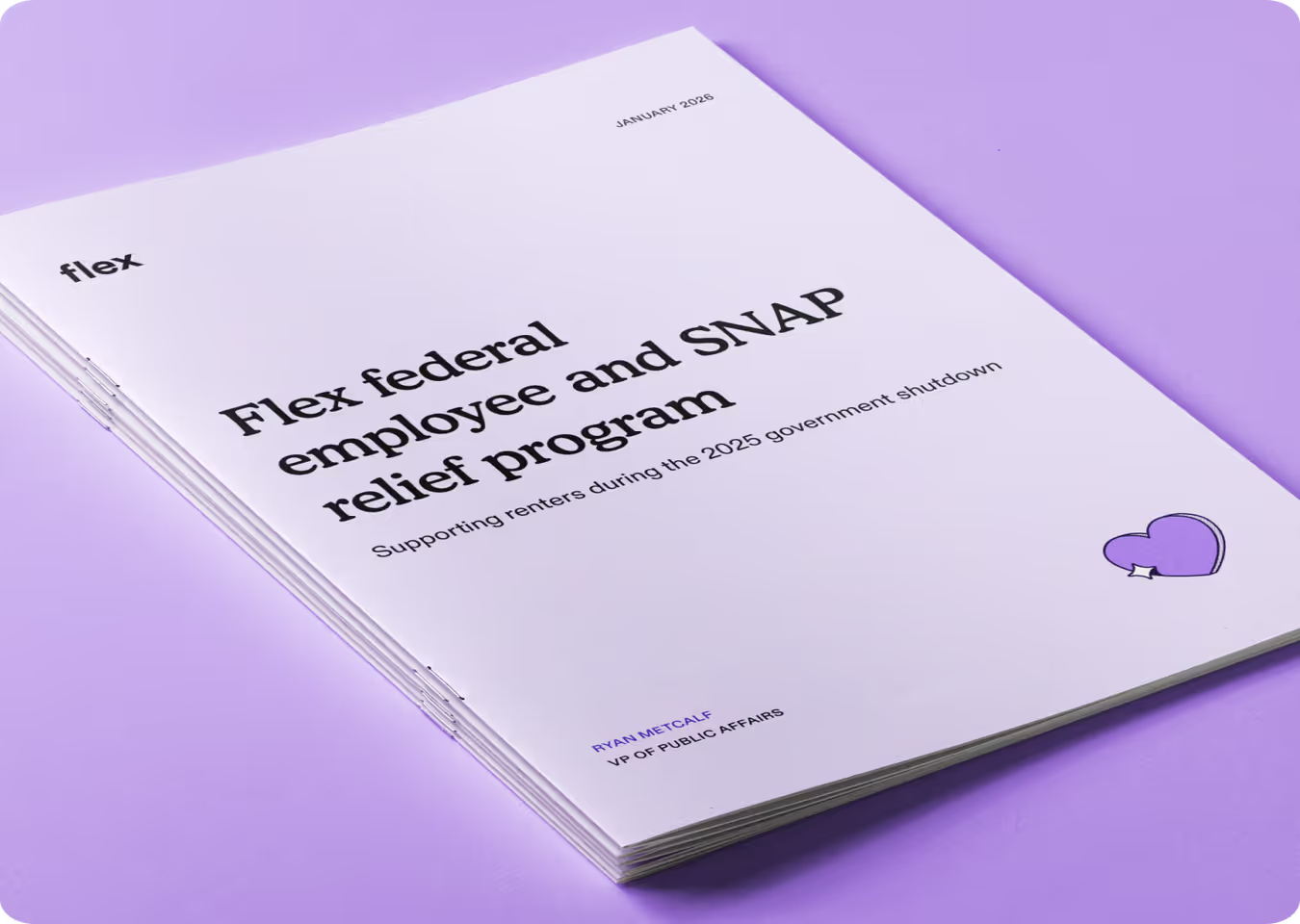
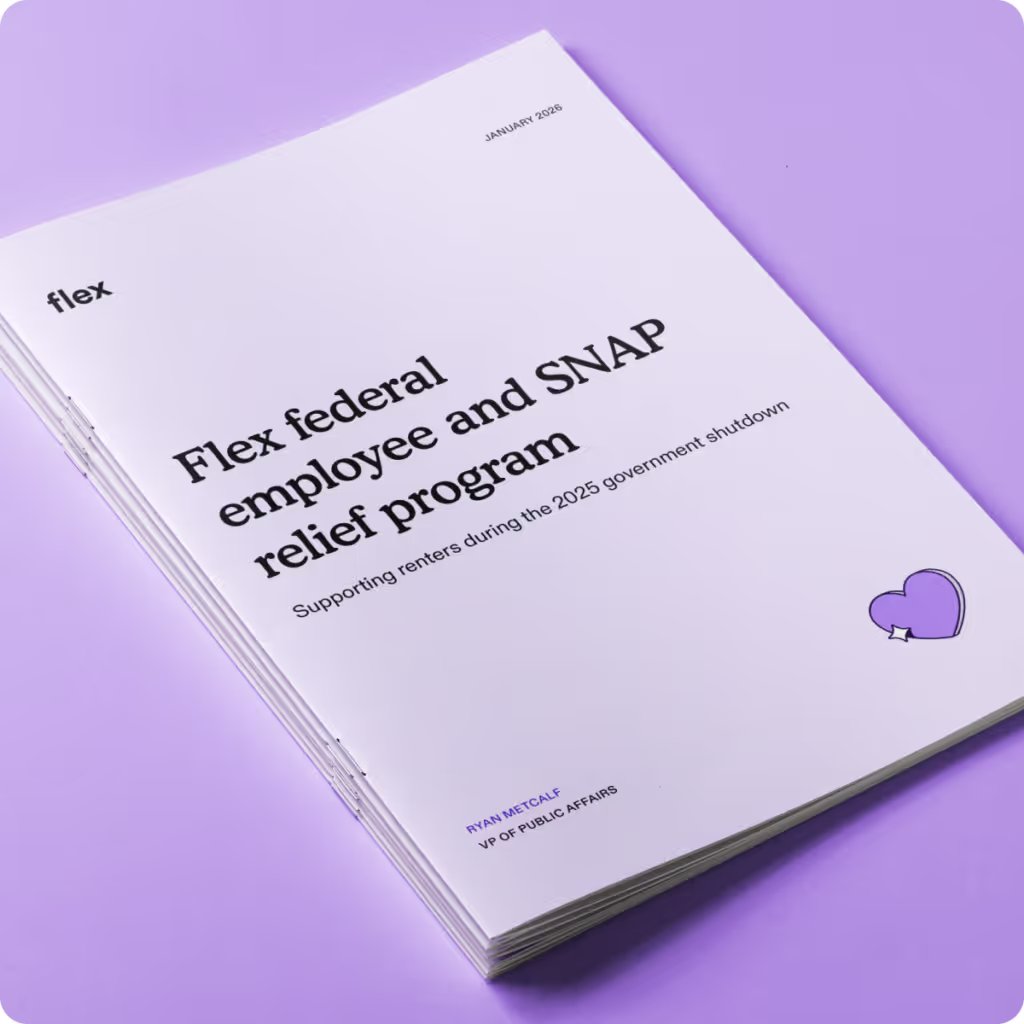
[only_child_categories] Supporting renters during the 2025 government shutdownWhen the longest federal government shutdown in U.S. history disrupted pay and benefits, rent deadlines did not move. This report examines how renters and property managers navigated that timing gap, and what the experience revealed about rent timing, financial resilience, and system stability. Download the report
Flex is not affiliated with or endorsed by the U.S. government. SNAP is a federal assistance program; this report is independently produced.
“Without Flex, I would have had to pay rent late and incur fees.”— Flex renter during the 2025 federal shutdown
Key findings for renters
During the shutdown, renters faced delayed income, fixed rent deadlines, and limited room for error. Survey responses from program participants highlight how timing flexibility helped prevent escalation during a short-term disruption.50%said Flex helped them avoid an eviction notice or warning63%avoided a late fee27%avoided overdraft or NSF fees14%avoided more than $300 in fees89%plan to continue using Flex after the shutdownThese findings show how quickly timing mismatches can cascade into penalties, and how short-term flexibility can help renters remain current during periods of income disruption.
Key findings for property managers
Property managers were on the front lines during the shutdown, responding to resident questions and managing uncertainty while rent deadlines remained fixed.
- 473 property management companies participated in the survey
- 90%+ reported actively communicating the program to residents
- PMCs reported:
- Reduced resident escalation
- Greater ability to respond with a concrete option
- Improved operational stability during the shutdown
The experience also shifted how PMCs viewed rent timing tools. Before the shutdown, about 20% viewed Flex as essential infrastructure. After participating in the relief program, 36% held this view, and nearly 80% said they would be open to participating in similar programs again.
Inside the report
In this report, you’ll explore:
- How income delays and fixed rent schedules collided during the shutdown
- What renters did to navigate timing disruptions and avoid compounding fees
- How rent timing tools helped prevent escalation and housing instability
- The role property managers played as stabilization partners
- What the shutdown revealed about resilience across the rental system
Why this matters now
Income volatility is no longer limited to rare crises. From contract work and hourly schedules to benefits that arrive on fixed but inflexible timelines, many households experience ongoing timing mismatches between income and expenses.
Rent systems, however, are still largely built around a single monthly due date. As the 2025 federal shutdown demonstrated, even short-term disruptions can create immediate financial strain when timing flexibility is absent.
Understanding how renters and property managers navigated this moment offers important insights into how housing systems can better support stability during future disruptions, whether driven by policy, economic shifts, or income volatility.
Policy considerations and recommendations
The findings from the Federal Employee and SNAP Relief Program point to several broader considerations for housing and affordability stakeholders:
- Timing mismatches, not affordability alone, can drive financial stress
- Rent timing tools can serve as stabilization infrastructure during income disruptions
- Clear communication and existing payment rails are critical during crises
- Policies that support flexibility can help prevent short-term shocks from becoming long-term harm
These insights can inform future policy discussions around housing stability, benefits administration, and renter protections during periods of income disruption.
Get the full report
Explore the full findings from renters and property managers who participated in the Flex Federal Employee and SNAP Relief Program during the 2025 government shutdown.
Flex is not affiliated with or endorsed by the U.S. government. SNAP is a federal assistance program; this report is independently produced.

.svg)
.svg)
.svg)

.svg)

