

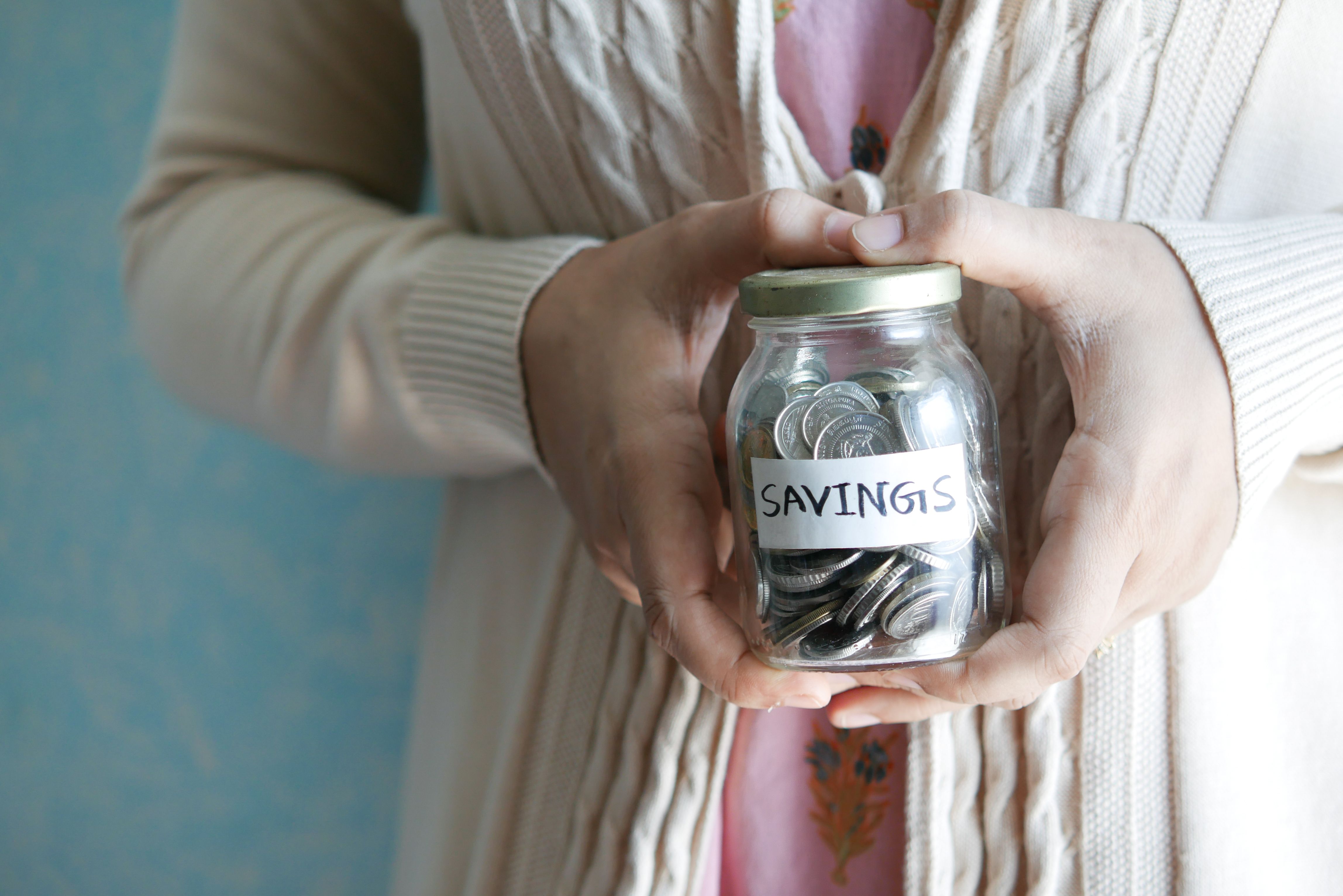
Many expenses arrive without warning: your phone screen shatters, your transmission gives up the ghost, or your dog eats your socks and needs surgery. When cash is already tight, what can you do? An emergency fund helps a lot. With even a small cash buffer, you’re better equipped both financially and emotionally to handle these unexpected moments without spiraling. But when rent, utilities, and groceries pile up, stashing extra cash can seem impossible.
The reality, though, is that building an emergency fund is a marathon, not a sprint. When you put away a little money at a time, eventually you’ll reach the finish line. The following guide offers a no-frills roadmap for new savers. Along with a basic emergency fund definition, we’ll cover savings targets, fund-building tactics, and the smartest places to park your reserves.
What’s an Emergency Fund, and Why Does It Matter?
An emergency fund is cash you set aside for urgent, unplanned expenses or a sudden loss of income. Think of it as your financial spare tire: It gives you peace of mind, but you don’t touch it unless you absolutely need it.
Here are some common situations where people typically dip into their cash reserves:
- Job loss or reduced hours: A sudden dip in earnings can make it hard to cover rent, monthly utilities, and food.
- Unexpected medical bills: Dental expenses and medical bills can hit out of nowhere.
- Car repairs: A dead battery or a busted brake line can't wait, especially if you drive to work.
- Urgent household or family needs: Sometimes a family member needs help, or your mobile phone dies without warning.
- Emergency travel: Long-distance family emergencies and unexpected moves mean you might need money to get somewhere fast.
How Much Should You Keep In an Emergency Fund?
The amount you should save depends on various factors, like how many people you’re supporting and your total monthly expenses. For example, someone with a salaried job and no dependents likely needs a smaller cushion than a freelancer with irregular income, two kids, and an aging pet. NerdWallet recommends setting aside three to six months’ worth of living expenses. This way, if your income completely dries up, you have some time to absorb the hit without stacking up late payment fees or needing a cash advance.
However, that three to six months is the end goal, and you don’t need to reach it overnight. Often, putting away a few dollars here and there can quickly build up a small emergency fund. Any additional progress adds a layer of financial protection and lessens the mental load of living paycheck to paycheck.
The table below offers a loose guide to initial savings targets and final savings goals.
*Essential expenses include rent and utilities, groceries, and minimum debt payments.
**Actual expenses include essentials plus other regular costs like digital subscriptions, gym memberships, and hobbies.
How To Build an Emergency Fund When Cash Is Tight: 5 steps
The following five steps can help you slowly stack up a safety net without stretching your cash flow to its breaking point.
1. Start With a Realistic First Goal
Forget the six-month cushion for now. Instead, pick a first target you can actually hit in a month or two. Small wins build momentum. Here are a few starter goals to consider:
- Initial: Save $100 to cover a minor screen replacement or dental service.
- Medium: Stash away $500 for a standard car repair or emergency medical bill.
- Advanced: Accumulate one month of essential expenses as a buffer against income loss.
2. Review Essential Living Expenses
Once you’ve started saving, re-examine your end goal to ensure it matches your actual living expenses, and adjust accordingly. Pull your most recent bank and credit card statements and list every recurring essential cost like groceries, transportation, and car and renters insurance, as well as nonessential monthly costs. These insights tell you how much you must spend each month. They’ll also help you break down what percentage is discretionary and how much you should save to create a safe buffer.
This might also be a good time to explore the 50 30 20 rule. This financial principle devotes 50% of your income to needs, 30% to wants, and 20% to savings. If your monthly budget percentages are significantly out of whack, consider a spending adjustment.
3. Move Savings Out of Checking
Money sitting in your checking account blends in with everyday spending. Before you know it, that $50 you meant to save covers a takeout order instead. So, open a separate savings account and keep your emergency stash there. It’ll be more difficult and less tempting to spend.
One of the best ways to spend less is to set up an automatic transfer straight from your check or checking account to a savings account. When you don’t see the funds in your typical spending account, you’re less likely to use them unnecessarily. Even routing $10 a week from your checking to savings builds a solid foundation over time. Most modern payroll systems allow you to split your paycheck across two or more accounts by dollar amount or percentage, so take advantage of this.
4. Use Extra Income To Make Faster Progress
Windfalls offer a golden ticket to fast-track your progress. Whether you score a tax refund, earn a holiday bonus, or sell an old couch, funneling that sudden cash straight into your savings instantly plumps up your cushion.
5. Rebuild the Fund After Using It
Some day you’ll likely have to tap into your emergency fund. But once the dust settles, it’s critical to rebuild as quickly as possible. It may take time, but once again, slow and steady wins the race.
Where Should You Keep Your Emergency Fund?
Your emergency fund needs to be safe and separate from your everyday spending. But it also needs to be easy to tap in emergencies, so stashing it in the right place is imperative. Make sure the Federal Deposit Insurance Corporation (FDIC) or National Credit Union Administration (NCUA) insures your bank or credit union. This means your money is protected up to $250,000 per depositor, even if the bank fails.
Here are some common locations to keep your emergency fund:
- Savings account: Provides a secure, dedicated space for your emergency fund, keeping it separate from your everyday spending.
- High-yield savings account (HYSA): Earns interest at a rate significantly higher than a standard savings account, allowing your money to grow while it sits.
- Money market account: Combines the interest-earning potential of a savings account with the flexibility of a checking account, providing easy access via debit card or check-writing capabilities.
Avoid locking your emergency cash into certificates of deposit (CDs) or other long-term investments that penalize early withdrawals. This makes the money difficult to access in an emergency.
Make Everyday Bill Timing Easier With Flex
For renters, building an emergency fund is often harder than it sounds. According to Flex's Understanding Rent Timing Stress report, 45% of Flex users have less than $500 in emergency savings — and more than half don't receive their paycheck before rent is due. This leaves your checking account thin and your mind racing. Even a modest surprise — like a sudden car repair — can feel like a crisis.
Flex can help reduce the cash-flow pressure that makes saving feel impossible. Split your rent into two payments better aligned with your paychecks, and use Flex Funds to manually set aside money in the app ahead of your next payment — so you don’t get caught short when a bill is due. Less timing stress means more breathing room to start building your emergency fund.
Ready to smooth out your bill payments and start saving cash for emergencies? Check your eligibility, and get started with Flex today.
FAQ
What Are Three Questions To Ask Yourself Before You Spend Your Emergency Fund?
Before you dip into your reserve, ask yourself three simple questions to ensure you are making the right move:
- Is the expense truly unexpected?
- Is the cost absolutely necessary right now?
- If you paid this bill out of your normal cash flow, would doing so cause financial hardship?
What Should You Do if You Need Money for a Bill?
If this bill isn’t an unexpected emergency, try negotiating a payment plan with your provider or cutting back on nonessential monthly expenses to free up cash temporarily. Then, review your spending plan to determine how to avoid this issue in the future.
How Often Should You Re‑Evaluate Your Emergency Fund?
Review your cushion at least once a year — or sooner if your income, rent, or debt load changes. A quick check of your monthly expenses will tell you whether you need to increase the end savings goal or keep the current level.


.svg)
.svg)

.svg)

