

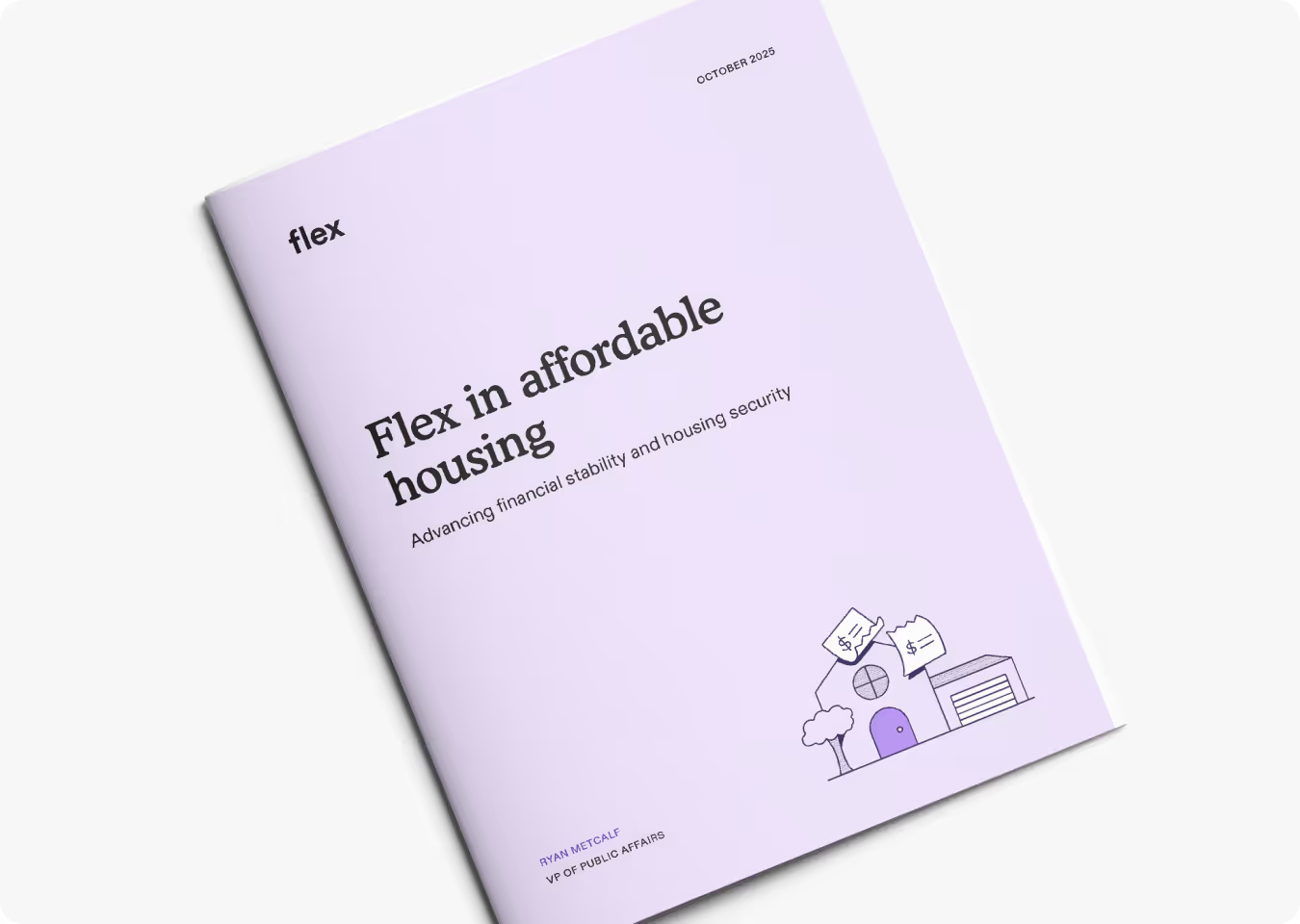
Key findings
Based on Flex survey of 762 renters and 47 property managers in affordable housing communities, August 2025. Results may vary.
For renters
73% said Flex helped them stay housed and avoid eviction
70% avoided late rent fees after adopting Flex
42% saved more money overall than they paid in Flex fees
83% agreed Flex is affordable, and 60% strongly agreed
31% avoided overdraft fees, while one in four avoided skipping essentials like food or childcare to make rent
For property managers
47% reported lower arrears and delinquencies
43% observed fewer eviction filings or notices
89% would recommend continuing Flex at their properties
Inside the report
- How early-month rent deadlines trigger late fees, overdrafts, and skipped essentials
- Renter experiences when income arrives after rent is due, especially in subsidized housing
- How splitting rent reduces eviction filings and operational workload for managers
- Case studies and policy recommendations for scaling responsible rent flexibility
Why this matters now
For renters living paycheck to paycheck, timing is not a convenience but a lifeline. Aligning the largest bill of the month with when income arrives can be the difference between stability and a cycle of fees, credit damage, and displacement.
Flexible rent is a responsible financial tool that complements long-term affordability and housing-supply solutions.
Policy recommendations
1. Recognize flexible rent as a stabilizing tool
Incorporate responsible flexible rent options within eviction-prevention and tenant-support programs.
2. Fund and evaluate pilots
Partner with public housing agencies, housing finance agencies, and nonprofits to test and measure impact.
3. Broaden access through subsidies
Establish reserves and philanthropic partnerships to reach renters who do not qualify for credit-based programs.

.svg)
.svg)

.svg)

